What Information Should You Provide Before Buying a High-Temperature Shift (HTS) Catalyst?
When requesting a quotation for a high-temperature shift (HTS) catalyst, the current catalyst grade and required quantity are useful starting points. To recommend a product suitable for the project and provide a quotation that can be compared with other offers, the supplier also needs details of the product specification, delivery requirements and relevant operating conditions.
The purchasing team can first gather the existing specification, current grade, required quantity and delivery schedule. Process engineers or plant technical personnel can then provide the operating data. Distributors, traders and engineering companies that do not yet have complete information can forward the available enquiry documents and clarify the missing details step by step.
1. Can you start an enquiry with only the current catalyst grade?
Yes. Provide the manufacturer's name, full catalyst grade designation and any available technical data sheet. These help the supplier identify the product and determine which specifications and operating conditions need further clarification.
Also explain the purpose of the purchase: replacement during a planned turnaround, a new unit, or evaluation of another supplier's product. Mention any changes to the feedstock, throughput, reactor internals or loading arrangement.
The current grade provides a reference. The suitability of an alternative product needs to be assessed against the current operating conditions, product specification and loading requirements.
2. What should the purchasing team collect first?
Prepare the following five items for the initial enquiry. You do not need to wait until every process parameter is available before contacting a supplier.
| Information | What to provide |
|---|---|
| Current catalyst | Manufacturer, full grade designation, and the existing technical data sheet or purchase specification. Include revision numbers or dates for historical documents. |
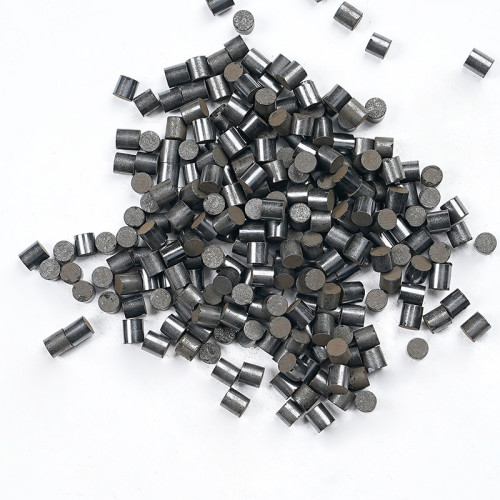
| Particle dimensions and shape | Nominal dimensions, units, shape and dimensional tolerances. Drawings or product photographs can provide additional clarification. |
| Required quantity and unit | State net mass in kg or metric tonnes (t), or packed catalyst volume in m³. Mark each quantity as confirmed or estimated. |
| Delivery requirements | Required arrival date, delivery location and terms, and any packaging or transport requirements. Distinguish arrival at site from readiness for dispatch. |
| Scope of supply and documentation | Specify whether support or inert materials, inspection documents or loading guidance are required. Attach the available enquiry documents. |
List net mass and packed catalyst volume separately. If the technical team provides the total bed volume, clarify whether this includes support or inert materials and identify the actual catalyst volume to be purchased.
When the supplier quotes by mass but the project requirement is stated by volume, confirm the bulk density used for conversion and the measurement or loading method on which it is based. A single conversion factor should not be applied to different products. Compare prices per metric tonne together with the actual quantity required and the scope of supply.

3. Which HTS operating conditions should the technical team confirm?
HTS catalysts promote the water-gas shift reaction, in which carbon monoxide reacts with steam to form carbon dioxide and hydrogen. Product assessment therefore needs to consider both the catalyst specification and the gas composition and operating conditions at the HTS reactor inlet.
A process engineer or the responsible plant technical contact should check the information below. For a new unit, provide design data and identify any conditions that remain to be confirmed.
| Technical information | What needs to be clear |
|---|---|
| Application and HTS inlet process-gas composition | Plant application, the position of the HTS stage in the process, and the available inlet-gas analysis, including CO, H₂, CO₂, CH₄, N₂, steam and known impurities as applicable. State the dry or wet basis, units, sampling location and date. |
| Temperature and pressure | Normal operating values, expected operating range and measurement locations. Identify gauge or absolute pressure, and list actual operating conditions separately from equipment design limits. |
| Gas and steam flow rates | Values, units and reference temperature and pressure. State whether the gas flow includes steam. Define the calculation basis of any steam ratio or space velocity provided. |
| Reactor and catalyst bed | Reactor type, relevant internal dimensions, packed catalyst volume or bed height, existing loading drawing, support materials and loading constraints. |
| Performance targets and limits | Required outlet CO concentration, allowable pressure drop and temperature limits. State the throughput, operating conditions and measurement basis associated with these targets. |
| Current operating performance and reason for replacement | Planned turnaround, replacement interval, and available outlet CO, pressure-drop or other operating records. Note any changes in operating conditions that could affect the assessment. |
Three points deserve particular attention:
- The inlet-gas analysis must correspond to the HTS reactor inlet. Information about the plant's original feedstock, such as natural gas or coal, provides useful background but does not replace an analysis of the process gas entering the HTS reactor.
- Define the steam ratio clearly. Steam-to-dry-gas ratio and steam-to-carbon ratio use different calculation bases and should not be used interchangeably. Suitability for low-steam operation should also be assessed for the specific catalyst grade.
- Record the target and measured outlet CO concentrations separately. An acceptance requirement is different from the actual operating value before replacement. When comparing supplier recommendations, confirm the inlet conditions, throughput and measurement basis used in each assessment.
Purchasing personnel can help organise the documents, while the technical contact confirms the data. If information is missing, list it as outstanding; there is no need for purchasing personnel to calculate process parameters themselves.

4. How should you compare quotations from different suppliers?
Send the same revision of the enquiry documents to each supplier and use a common checklist to review their responses. Clarify differences in the product and scope of supply before comparing prices.
| Comparison point | What to check |
|---|---|
| Product and technical response | Proposed grade, dimensions and shape, condition as supplied, response to each requirement in the purchase specification, and any deviations. |
| Quantity and conversion basis | Quoted net mass, corresponding packed catalyst volume, bulk density used for conversion, and whether other bed materials are included. |
| Supply and service scope | Whether catalyst, support or inert materials, packaging, transport, inspection and technical services are included or priced separately. |
| Commercial and delivery terms | Currency, delivery location and terms, payment terms, the event from which lead time is calculated, quotation validity and associated charges. |
| Technical documents and acceptance | Technical data sheet (TDS), safety data sheet (SDS), and proposed inspection or acceptance documents. Distinguish enquiry-stage documents from those issued for the supplied batch. |
Confirm the quotation type and technical assessment status separately. Ask the supplier whether the offer is a budgetary or formal quotation, which technical conditions it is based on, and which points remain open. A quotation does not replace the technical approvals required for the project.

5. How can you send an initial enquiry with incomplete information?
Provide the grade, specification, quantity and delivery requirements already available, and mark missing items as “to be confirmed”. Ask the supplier to list the additional information needed and explain the scope of assessment and quotation possible at this stage.
Use the following template to prepare an initial HTS catalyst request for quotation (RFQ):
Subject: HTS catalyst enquiry — [plant or project name]
Application and purpose of purchase: [plant application; turnaround replacement, new unit or alternative-product evaluation]
Current manufacturer and grade: [details / to be confirmed]
Particle dimensions and shape: [dimensions, units and shape / specification reference]
Required quantity: [net mass in kg or t / packed catalyst volume in m³; confirmed or estimated]
Delivery requirements: [required arrival date, location, delivery terms and packaging requirements]
Documents attached: [specification, technical data sheet, operating data sheet and loading drawing; include revisions or dates]
Outstanding information and technical contact: [missing items, contact person and area of responsibility]
Requested supplier response: Please recommend a product and state the quotation type, scope of supply, technical assessment status and additional information required.
Submit your HTS project information to SYAMCAT
You can first review SYAMCAT's high-temperature shift catalyst product information, then send us your existing specification, required quantity and delivery requirements to discuss selection, scope of supply and technical documentation.
Submit an enquiry through the SYAMCAT contact page or email marketing@syamcat.com. If your information is incomplete, identify what is available and which items are still to be provided.